
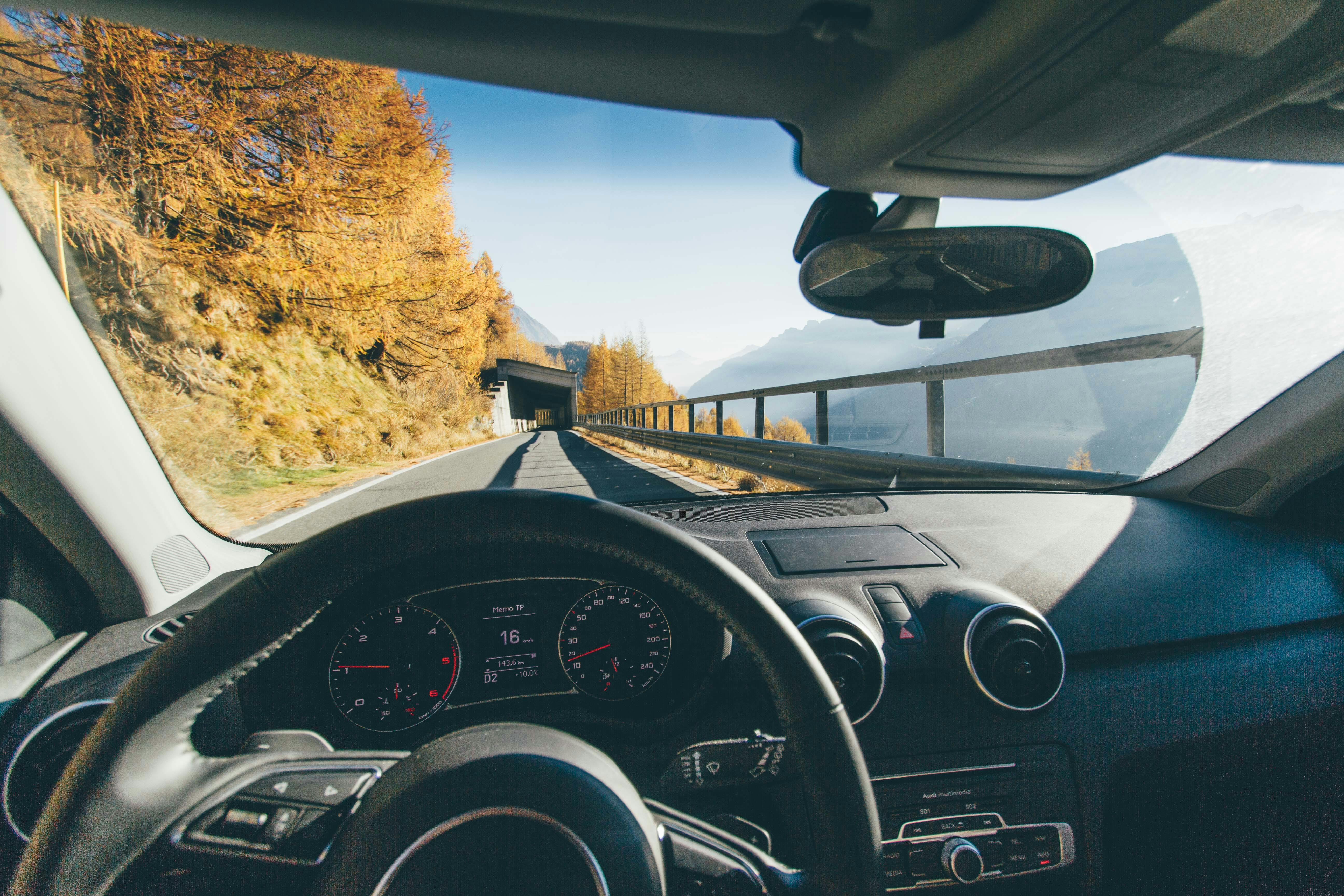
Most Winston-Salem drivers expect a windshield replacement to be straightforward: old glass out, new glass in, and back on the road. For modern vehicles, that is only part of the picture. Cameras, radar sensors, and related components now sit behind or near the windshield on many cars and trucks. Those components support Advanced Driver Assistance Systems, or ADAS (ADAS calibration), which include features like forward collision warning, blind spot monitoring, and collision avoidance. If those sensors are not positioned correctly after a glass replacement, the safety systems may not respond the way the manufacturer designed them to.
ADAS calibration is the step that restores accuracy. For vehicle owners in Winston-Salem and the surrounding Piedmont Triad, understanding this process can make the difference between a safe repair and a costly oversight. This page explains what ADAS calibration involves, why windshield replacement can disturb your vehicle’s sensors, and what you should expect from a professional glass shop.
What Is ADAS?
ADAS stands for Advanced Driver Assistance Systems. These built-in vehicle technologies help drivers avoid crashes, and they are now standard in nearly every new make and model. Common ADAS features include forward collision warning, blind spot monitoring, and collision avoidance. Each of those features depends on data collected by sensors positioned around the vehicle.
Because ADAS is so common, auto glass professionals have had to change the way they approach a simple windshield replacement. On an ADAS-equipped vehicle, the windshield is no longer just a piece of glass. It is also a mounting point for precision safety hardware. Industry training resources from organizations such as I-CAR make this point clearly: ADAS is now standard in nearly every new make and model, transforming how repairs must be performed.
What Is ADAS Calibration?
ADAS calibration is the precise physical alignment, testing, and electronic aiming of the sensors that feed your vehicle’s advanced driver assistance systems. In practice, it is how a repair professional makes sure the vehicle’s electronic safety sensors are pointed exactly where they should be.
Calibration goes beyond a quick visual check. The process confirms that each sensor reads the road the same way it did when the vehicle was new. When the procedure is complete, the advanced driver assistance systems work precisely as designed by the manufacturer. Without this step, a cleanly installed windshield can still leave a vehicle with inaccurate safety data.
Why Windshield Replacement Affects ADAS Sensors
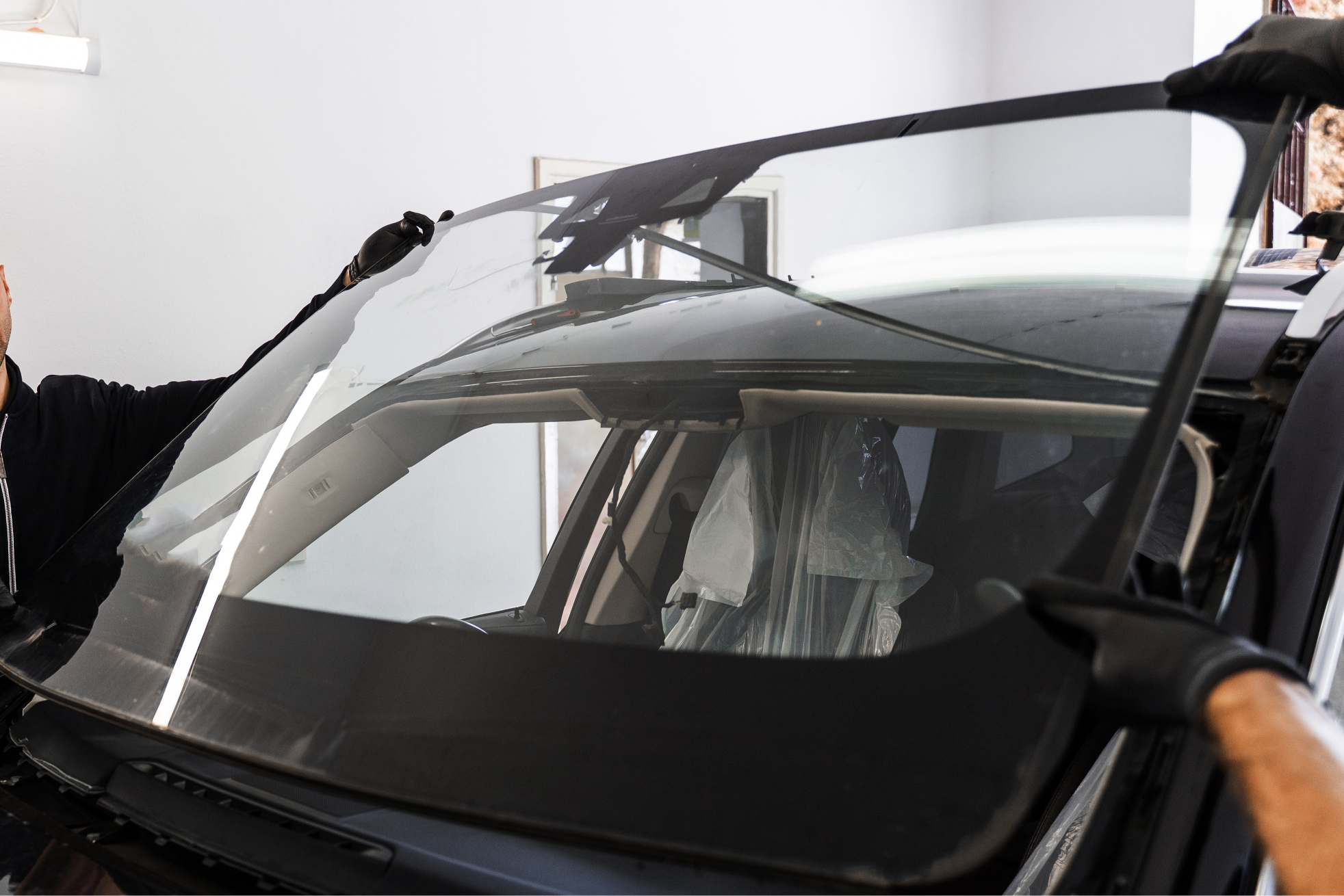
Many of the cameras that support driver assistance systems are mounted on the windshield, often behind the rearview mirror. Other sensors may be attached to brackets that sit against the glass or in the plastic cowl area just below it. During a windshield replacement, the technician removes the old glass, prepares the mounting surface, and installs the new windshield. In the process, the original position of any attached component can be disturbed.
Even a tiny shift in camera angle can change the sensor’s field of view. The vehicle may still receive images, but those images may not line up with the roadway the way the software expects. That is why the repair industry treats calibration as a necessary step rather than an optional upgrade. According to equipment manufacturers and repair industry sources, ADAS calibration services are now required on nearly every vehicle after windshield replacement, suspension work, or collision repairs.
Drivers in Clemmons, Kernersville, High Point, Lexington, Greensboro, and other communities around Winston-Salem rely on these systems every time they get behind the wheel. A replacement windshield on an ADAS-equipped vehicle should therefore be paired with the correct calibration procedure for that specific make and model.
The Three ADAS Calibration Methods
There are three main methods of ADAS calibration: static calibration, dynamic calibration, and initialization. The right method depends on the vehicle manufacturer’s requirements, the type of repair performed, and the equipment available at the shop.
-
Static calibration is performed in a controlled environment. The vehicle remains parked while the technician positions targets at measured distances in front of the sensors. A scan tool then confirms that the readings match the manufacturer’s specifications.
-
Dynamic calibration is performed on the road. The technician drives the vehicle under specific conditions so the system can adjust itself using real-world data such as lane markings and surrounding traffic.
-
Initialization is a diagnostic process that may be used in certain repair situations. It often involves resetting or registering a component through the vehicle’s software rather than performing a full physical sensor alignment.
A qualified technician will consult the vehicle-specific information before choosing a method. Professional guides allow a technician to look up the vehicle’s make, model, and model year and find the calibration pattern, target, component, and required distance for the safety system being serviced.
What Can Go Wrong If Calibration Is Skipped?
The safety sensors on a modern vehicle do not warn you when they are slightly out of position. A camera that points a fraction of an inch too high or too low may still send images to the driver assistance computer, but the computer may not interpret those images correctly.
When the alignment is off, blind spot monitoring and collision avoidance may not work exactly as designed. Warnings could arrive too late, or the system could react to objects that are not actually in the vehicle’s path. Either outcome puts the driver, passengers, and other people on the road at unnecessary risk.
After an accident, professional collision shops perform an ADAS calibration check to confirm that the vehicle’s safety sensors are calibrated before the driver returns to the road. The same care should apply after windshield replacement. Anyone who tells you that calibration can simply be skipped on a late-model vehicle is not following current industry practice.
Who Should Perform ADAS Calibration?
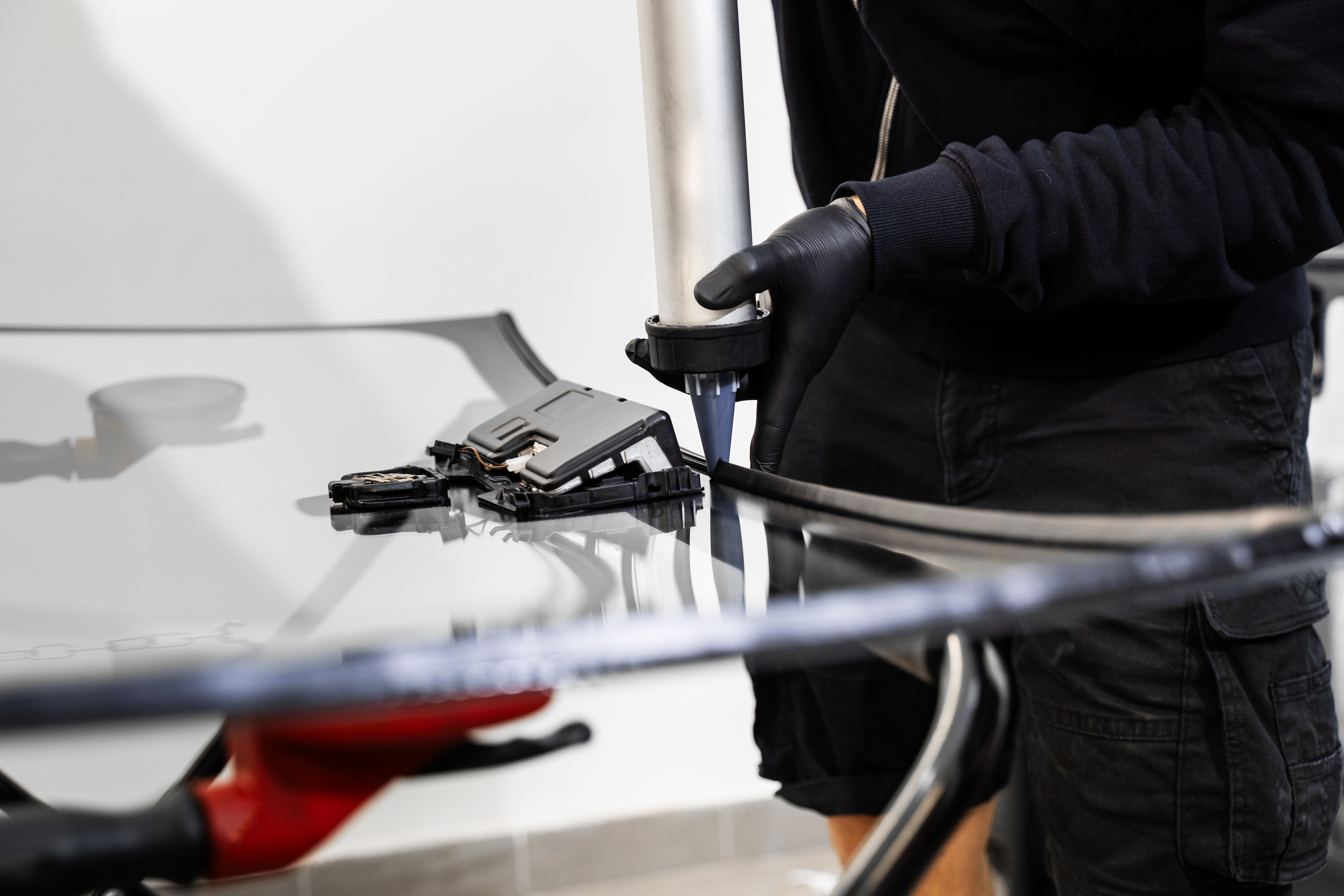
ADAS calibration is not a task for general guesswork. It requires specialized diagnostic equipment, manufacturer-approved targets, and access to up-to-date repair information. Professional resources such as those offered by I-CAR help technicians identify ADAS features, locate calibration requirements, and follow original equipment manufacturer procedures.
“Following OEM procedures” means the shop uses the same steps and specifications published by the vehicle manufacturer. Because every vehicle platform can differ, the technician must confirm the required target placement and sensor alignment rather than relying on a one-size-fits-all approach. A shop that invests in this training and equipment is better prepared to return your vehicle to a safe condition.
Choosing a Shop for Windshield Replacement and ADAS Calibration in Winston-Salem
Winston-Salem vehicle owners have several options for glass replacement, but not every option includes ADAS recalibration. Asking a few simple questions before scheduling the work can prevent problems later.
Affinity Auto Glass of the Carolinas is a locally owned auto glass provider based in Winston-Salem, NC. The company offers windshield repair, full windshield replacement, side and back glass replacement, and ADAS recalibration. Mobile service is available within a 30 to 40 mile radius, which allows customers in nearby communities to have glass work completed at their home or workplace.
The company also provides insurance claim assistance with major carriers and serves dealerships and commercial fleet accounts. For drivers who need dependable turnaround without sacrificing safety, working with a shop that can handle both the glass replacement and the ADAS calibration in one visit simplifies the entire process.
Questions to Ask Before Your Windshield Is Replaced
Before you approve a windshield replacement on a newer vehicle, confirm that the shop has a plan for your ADAS components. Useful questions include:
-
Does my vehicle have ADAS sensors that could be affected by windshield replacement?
-
Will the correct ADAS calibration method be used for my make and model?
-
Does the shop follow original equipment manufacturer procedures?
-
Will the calibration be confirmed before my vehicle is returned to me?
-
Is the cost of ADAS calibration included in the windshield replacement quote?
A reputable shop will answer these questions directly and explain what the calibration process involves. If the estimator seems uncertain about ADAS, consider taking your vehicle to a provider with demonstrated experience in recalibration.
Frequently Asked Questions
What does ADAS calibration mean?
ADAS calibration means precisely aligning, testing, and electronically aiming the sensors that support a vehicle’s advanced driver assistance systems. After windshield replacement, cameras, radar units, and other components can shift position. Calibration verifies that they work exactly as designed by the manufacturer so features such as forward collision warning and blind spot monitoring respond correctly.
Do I need ADAS calibration after every windshield replacement?
Industry guidance states that calibration is required on nearly every vehicle after windshield replacement, suspension work, or collision repairs. Whether your specific vehicle needs a full calibration depends on its make, model, year, and installed features. The technician can check the vehicle’s specifications before starting the windshield replacement and confirm which process applies.
Can I do ADAS calibration myself?
ADAS calibration should not be treated as a do-it-yourself task. It requires specialized diagnostic tools, manufacturer-specific targets, and current repair information. Professional resources help technicians identify ADAS features, locate calibration requirements, and follow OEM procedures. Without the right equipment, a calibration attempt can leave sensors misaligned and safety systems performing incorrectly.
How much does ADAS calibration cost?
Pricing for ADAS calibration varies by shop and by vehicle. A provider may base its quote on the diagnostic equipment used, the calibration method required, and the labor time involved. There is no single industry-wide price. The most reliable way to understand the cost is to ask a Winston-Salem auto glass provider for a quote before the work begins.